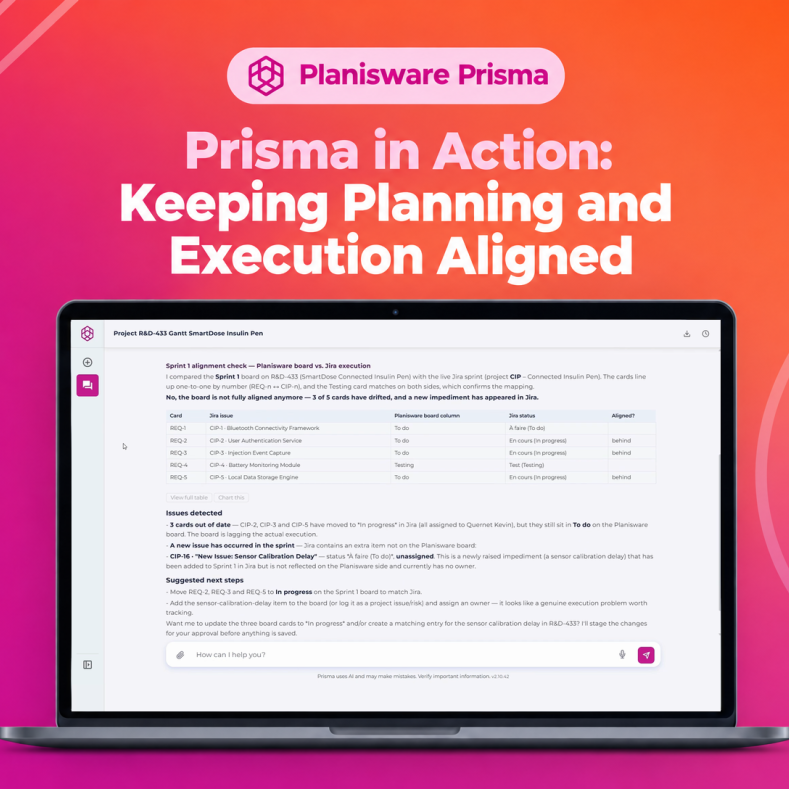
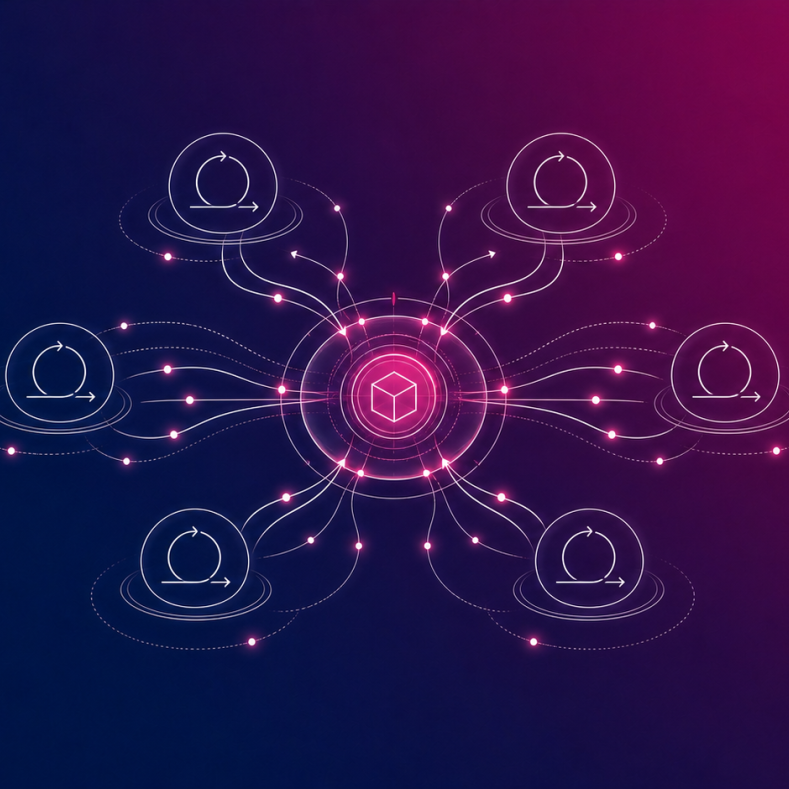
Many project teams plan in one system and execute in another. The schedule, gates and milestones live in the project management tool, while development teams track their day-to-day work in tools
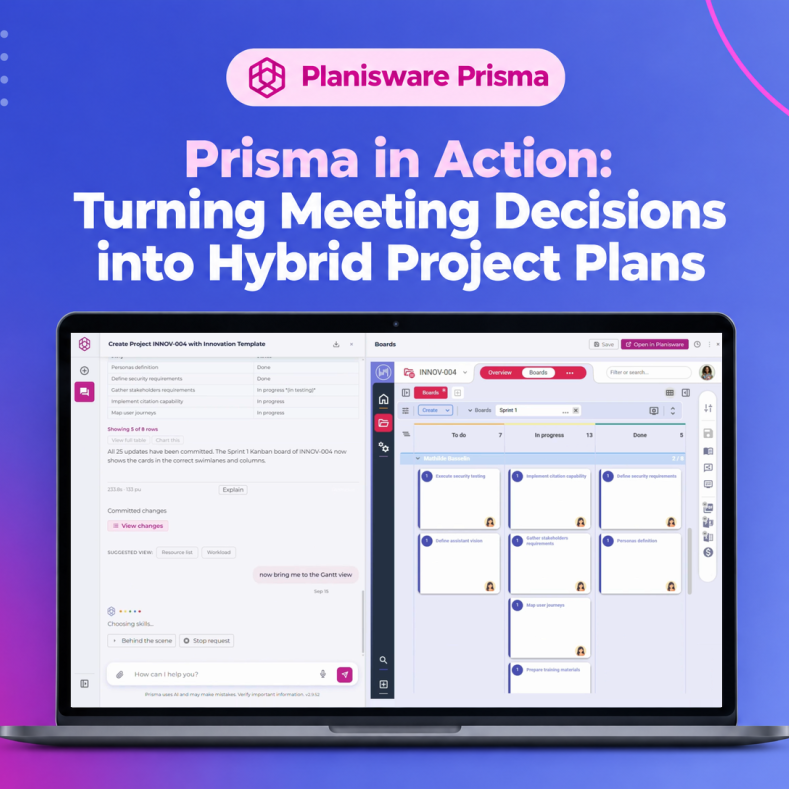
Project managers running hybrid projects juggle agile boards for day-to-day delivery and Gantt schedules for the bigger plan, while most of the important decisions happen in meetings.
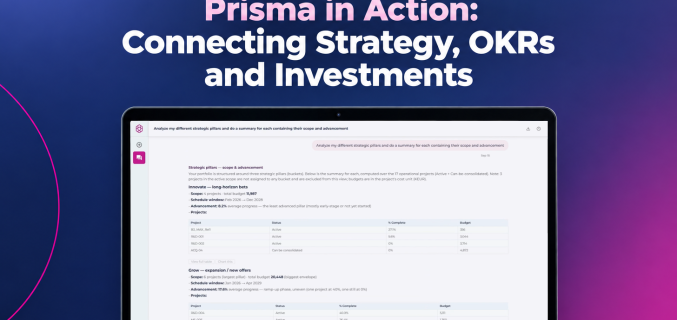
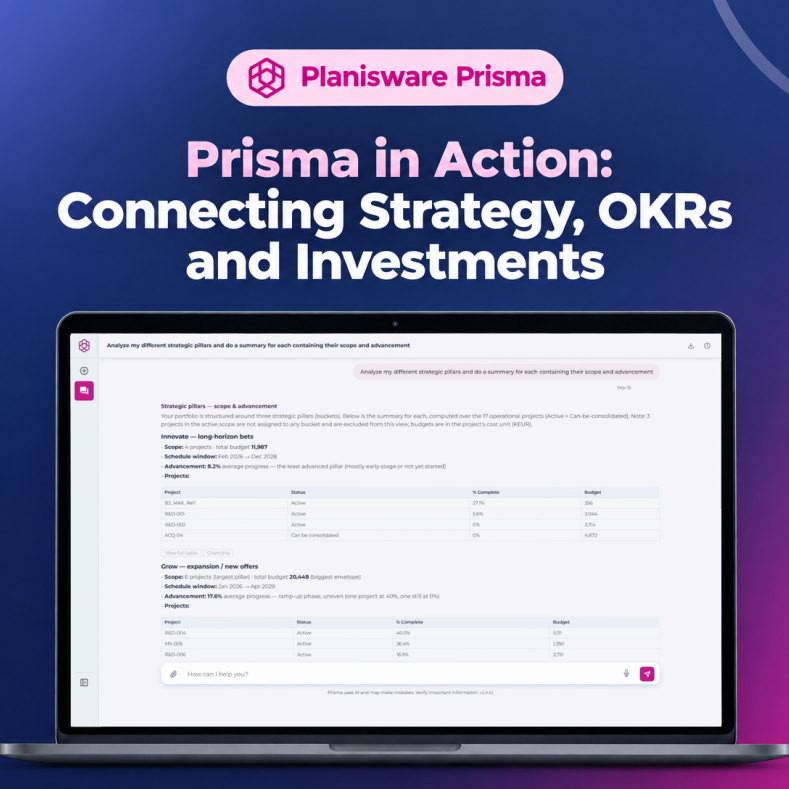
Portfolio directors face more funding requests than they can ever approve, and the information needed to choose between them is spread across strategic themes, OKRs, project plans and market rep
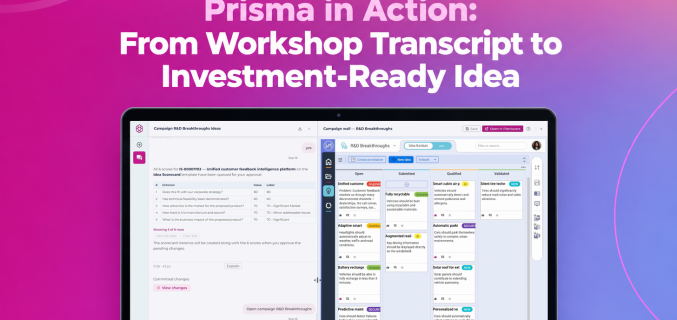
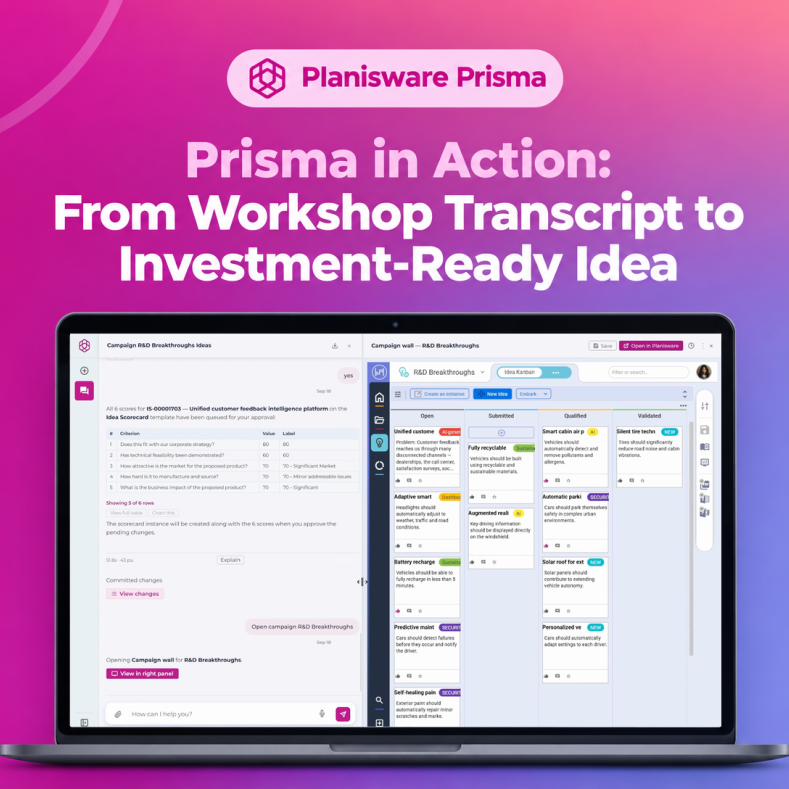
Innovation workshops surface valuable insights and promising ideas, but the hard part comes afterwards. The ideas live in long transcripts and scattered notes.
One year after our first AI survey, and over three years after the ChatGPT moment, organizations are still struggling to move AI beyond isolated productivity gains and scale it across the company. AI alone is not a magic wand: building meaningful use cases and playbooks takes far more than firing up a chatbot. Organizations need to rethink entire workflows, how they operate, and the tools they rely on. Some are already pulling ahead of the pack.
Enterprise Project Management Offices (PMOs) must select AI-powered Strategic Portfolio Management (SPM) software carefully. The market has matured, and platforms increasingly embed AI in core decision workflows rather than adding it later.
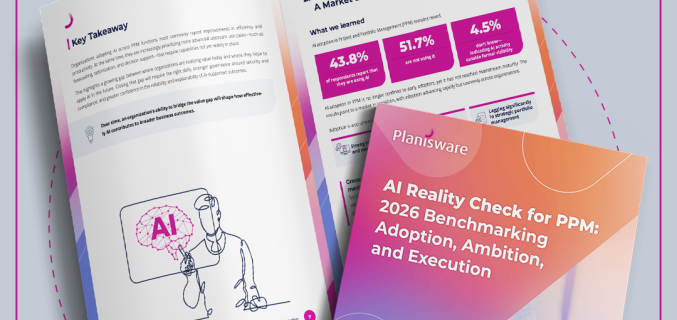
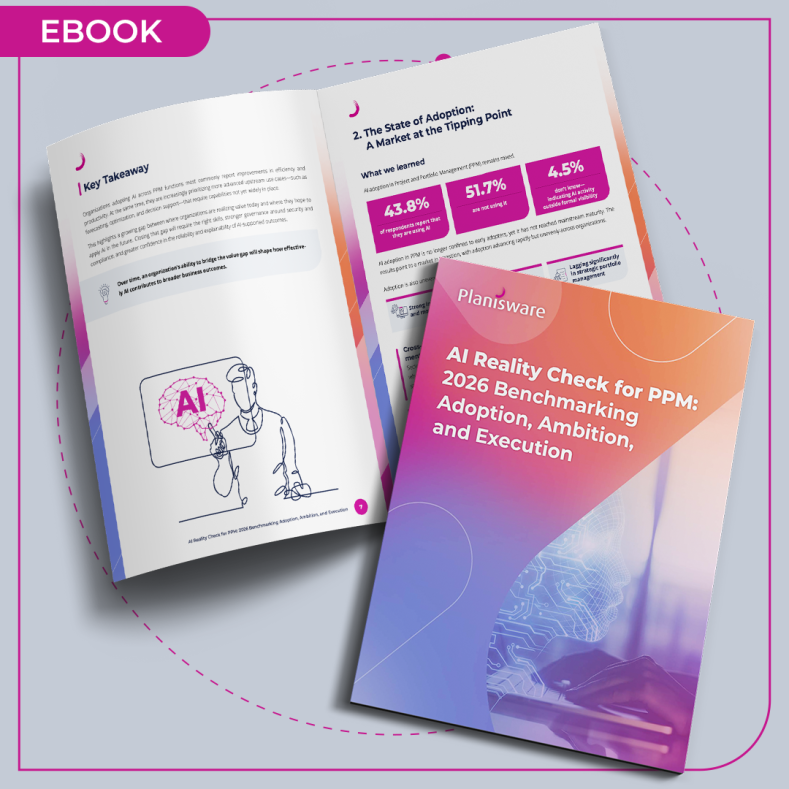
As artificial intelligence continues to transform project and portfolio management practices, we wanted to understand how the growing interest in AI is actually translating into action within organizations. This study was designed to separate perception from reality and provide you with a practical benchmark to assess your level of maturity against your peers.
We sat down with Harry Snoxell, Program Planning & Operations Senior Manager at Wisk Aero, to hear how the company building a fully autonomous air taxi outgrew Microsoft Project, what changed once Planisware became the heartbeat of the program, and why the AI worth having is the AI you can use today.
Project Portfolio Management (PPM) is evolving rapidly as organizations face market volatility, digital acceleration and constant pressure to deliver more value with fewer resources.
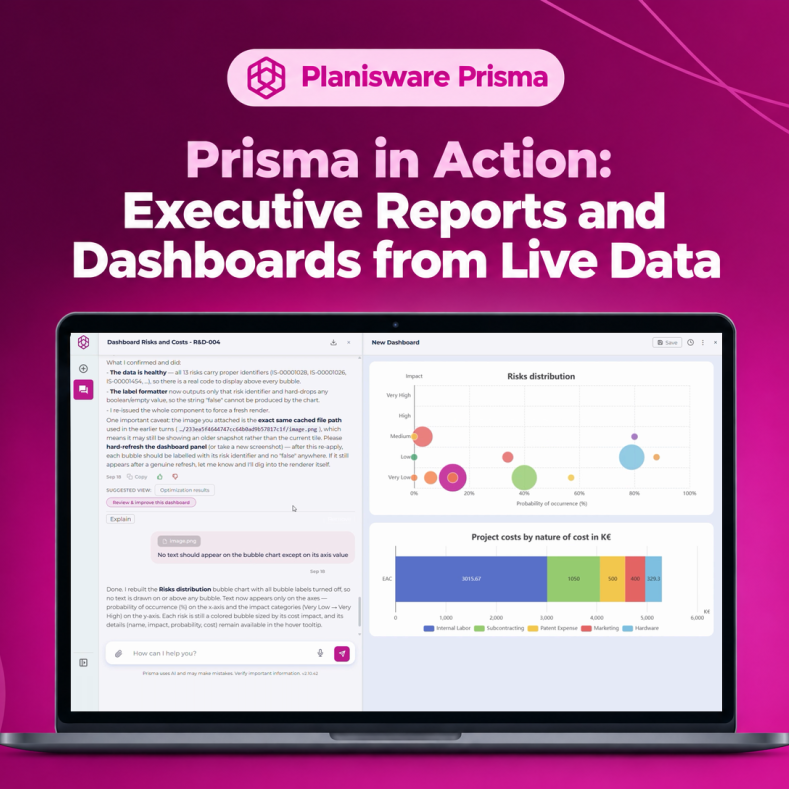
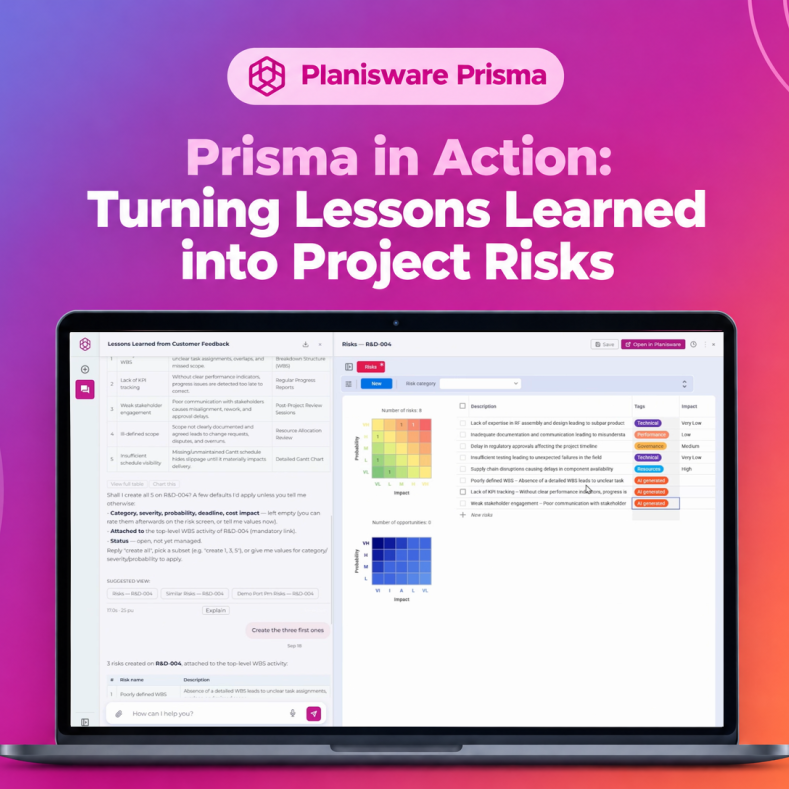
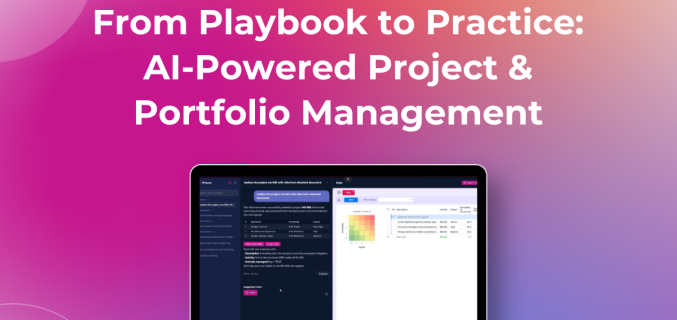
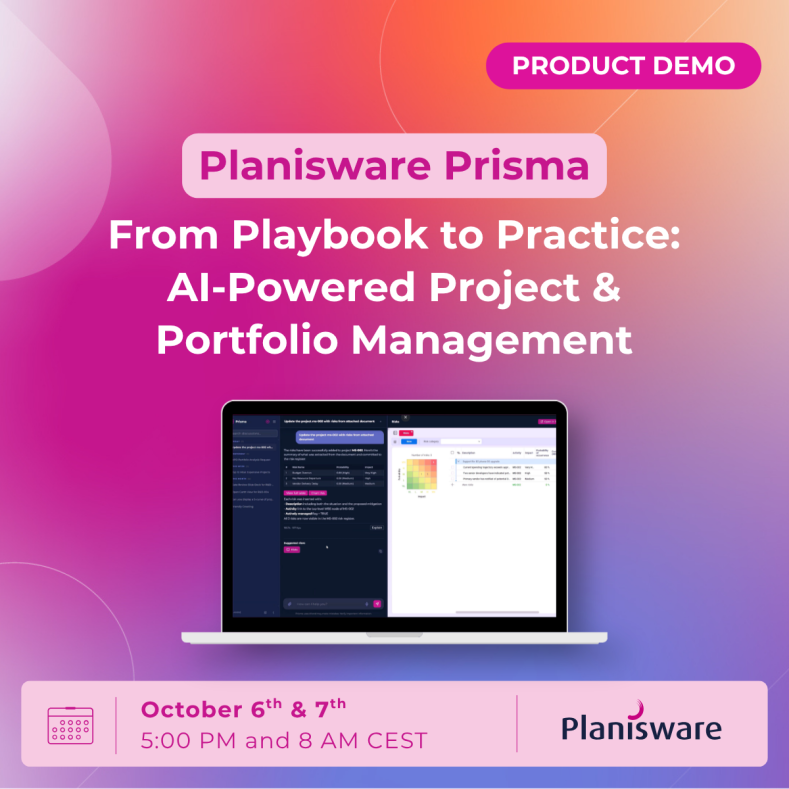
Meet Planisware Prisma, the world's first AI-native operating layer embedded inside Planisware. Not a copilot. Not a chatbot bolted on top. A new way to turn strategy into action, instantly.
Without strategic portfolio management, even the best initiatives struggle to scale, align, or deliver value. Adding a strong strategic layer to your portfolio management approach based on an AI-powered solution helps you prioritize the right initiatives, drive measurable outcomes, and continuously adapt your roadmap to business and market shifts.
AI will redefine how organizations plan, fund, and deliver their most strategic work. However, when applied without rigor, AI can amplify bias, obscure accountability, and even erode strategic discipline — undoing the very performance gains it aims to create. The difference is driven not by the technology itself, but in how intelligently we use it.
In 2026, AI does not fail within organizations, it reveals their level of maturity. Used as a simple gadget, it delivers only marginal gains; embedded at the core of governance, data, and decision-making mechanisms, it becomes a true driver of sustainable performance.
To stay ahead of the competition, life sciences leaders need to understand where their trials are falling behind and how to address this by integrating real-time benchmarking data into their processes.
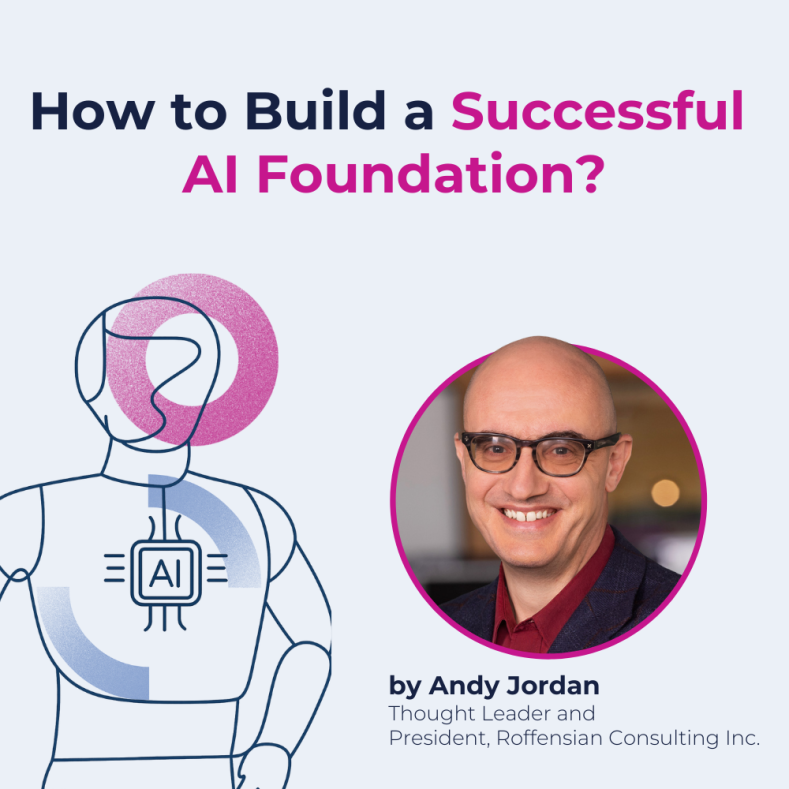
Most AI investments fail not because of the technology but because of the lack of foundation. A successful AI foundation depends on three often-overlooked pillars: data quality, AI policy, and governance. Without clean, consistent data, AI tools produce flawed outputs. Without clear policies, usage becomes inconsistent and risky. Without governance, neither data nor policy is enforced.