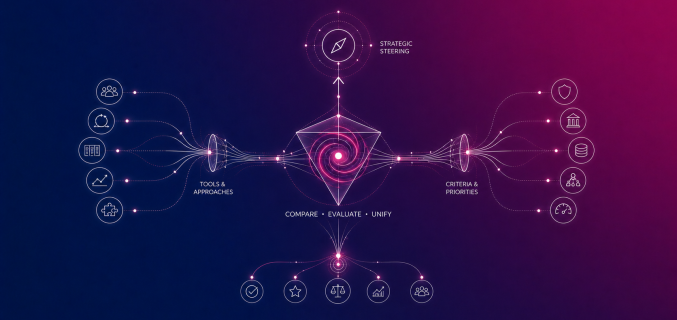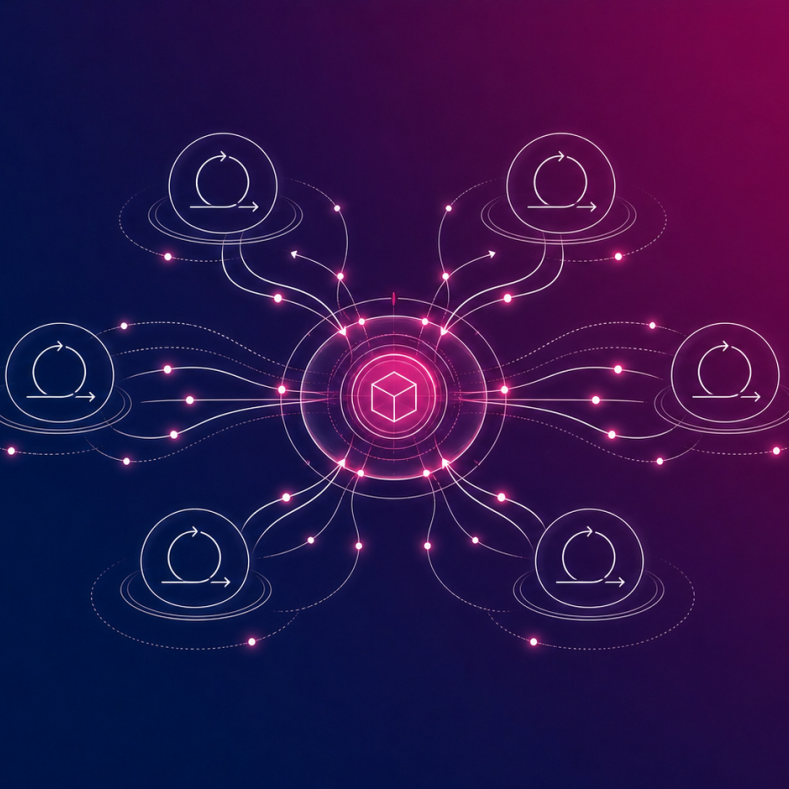
In large organisations, visibility across Agile teams is often hindered by fragmented tools, inconsistent workflows and scattered data. A unified platform changes that dynamic by connecting strategy, execution and visibility in one place. This approach allows leaders to see how every sprint, release and value stream contributes to organisational goals without forcing teams into rigid moulds.
Enterprise Agile Planning demands tools that align strategy with execution while maintaining transparency, adaptability and control at scale. Program Increment (PI) Planning—the cadence-based synchronization event central to the Scaled Agile Framework (SAFe)—is where this alignment becomes tangible. The right software helps organizations plan dependencies, set shared objectives and visualize progress across Agile Release Trains (ARTs).
Effective Agile project management helps organizations shorten development cycles and reduce time to market to outpace competitors and gain a competitive edge.
If your teams are struggling to deliver consistent value, the issue may not be your tools or teams. It might be how (and when, and why) you’re applying them.
IT budgets are finally under control. Deadlines are being met. On paper, Agile, and its scaled cousin, SAFe, have delivered what they promised. But has the problem truly been solved?
Are you ready to lead your medical technology team into the future? Our eBook, "Mastering MedTech’s Future with Strategic Foresight and Agile Execution," is here to help.
In her work, Johanna Rothman emphasizes the critical role of feedback loops in managing project risks and the need for adopting release strategies that align with the problem's nature and organizational culture.
One of these essential requirements of a PPM tool is the ability to manage both Agile and waterfall projects (and any combination thereof) from a single tool. Here's why.
Research undertaken by independent research firm, Forrester, explains how Strategic portfolio management (SPM) within Agile organizations can help to build enterprise roadmaps, prioritize product investments, and plan team capacity.
How to get started with Agile? What skills should you look for in distributed Agile team members? What is the role of managers in Agile teams? In this interview, Johanna Rothman explores Agile teams and how to manage them (including remotely)
Robert Cooper: the idea of combining Agile and Stage-Gate has been around for quite a few years now, but what have been the actual results for companies which have implemented hybrid methodologies?
The Scaled Agile Framework (SAFe) is a set of principles, processes, and patterns for scaling and implementing Agile and Lean practices at an enterprise level.
Is this popular project management framework right for you? If you're looking to adopt SAFe, consider the size of your business and project teams.
Are you employing Agile principles without even realising it? Read how your productivity-boosting approaches might mean you’re already halfway to Agile.