Project portfolio management (PPM) software only creates value when people use it consistently and when it is configured to reflect an organisation's actual processes. 2 service categories decide whether that happens. Implementation services cover the technical and functional work of deploying the platform, migrating data, building integrations and configuring reporting
AI-driven scenario analysis in strategic portfolio management (SPM) uses artificial intelligence (AI) to build and compare alternative portfolio plans. It combines machine learning (ML), predictive modelling and generative reasoning. The platform stress-tests each scenario against strategic objectives, budgets and resource constraints, then surfaces the trade-offs so decision-makers can choose which plan to commit.
A practical checklist to help PMOs run effective quarterly portfolio reviews, assess performance, identify risks, align priorities, and turn portfolio insights into clear decisions.
Discover how a single portfolio view connects Agile and traditional delivery, enabling smarter funding decisions, greater visibility, and stronger strategic alignment.
Capacity planning for shared labs and equipment keeps research and development (R&D) portfolios moving when instruments, not people, are the real constraint.
Enterprise transformation programs are growing in scope, speed and strategic consequence. Yet many organizations still steer them with tools that have not kept pace.
When several departments compete for the same specialist talent, staffing decisions often go to whoever escalates most forcefully. Sometimes they go to whoever keeps the most up-to-date spreadsheet. The result is invisible double-bookings, burnt-out experts and portfolio decisions made without a clear view of capacity.
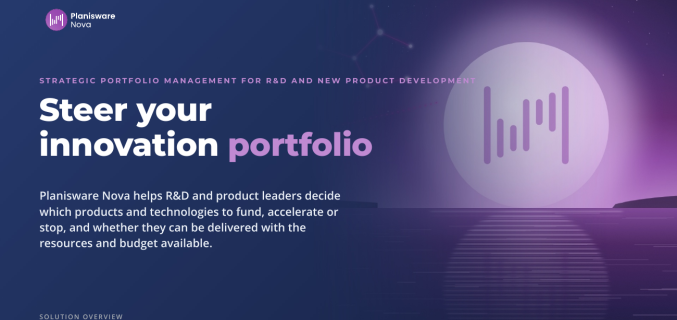
Planisware Nova is strategic portfolio management for R&D and new product development. This solution overview shows how R&D and product leaders decide which products and technologies to fund, accelerate or stop, and whether they can be delivered with the resources and budget available.
Artificial intelligence (AI) vendors that check capital expenditure (CAPEX) requests for compliance fall into 4 categories. The first 2 are agentic AI platforms such as ZBrain and specialist agent providers such as Bluebash. The other 2 are workflow tools such as Manifestly and enterprise project portfolio management (PPM) suites such as Planisware. Each validates budgets, thresholds and documentation before approval.
For UK project-led firms, the gap between winning work and delivering it profitably is where margin is made or lost. Professional Services Automation (PSA) platforms have long promised to bridge that gap. Yet most still leave the critical handoffs to manual processes and disconnected spreadsheets: sales to delivery and delivery to billing.
Cost overruns on engineering projects rarely appear overnight. They build quietly through small schedule slips, scope changes, supplier delays and optimistic estimates, often surfacing in monthly reports only when budgets are already at risk. This article explores how AI platforms are changing that pattern by spotting warning signs weeks or months earlier.
Why Fewer, Better Metrics Lead to Better Portfolio Decisions
Project portfolio management (PPM) metrics are quantitative measures that evaluate the performance, strategic alignment, financial return and risk of an organization's project in
Every organization faces the same portfolio tension: fast, visible results versus initiatives that will not pay off for years. Quick wins keep operations running and build stakeholder confidence. Strategic bets shape future competitiveness.